
Cargo Insurance for Kenya Importers: Coverage, Costs & Claims Process
29 August 2026 · By Heights Cargo · Shipping Guides
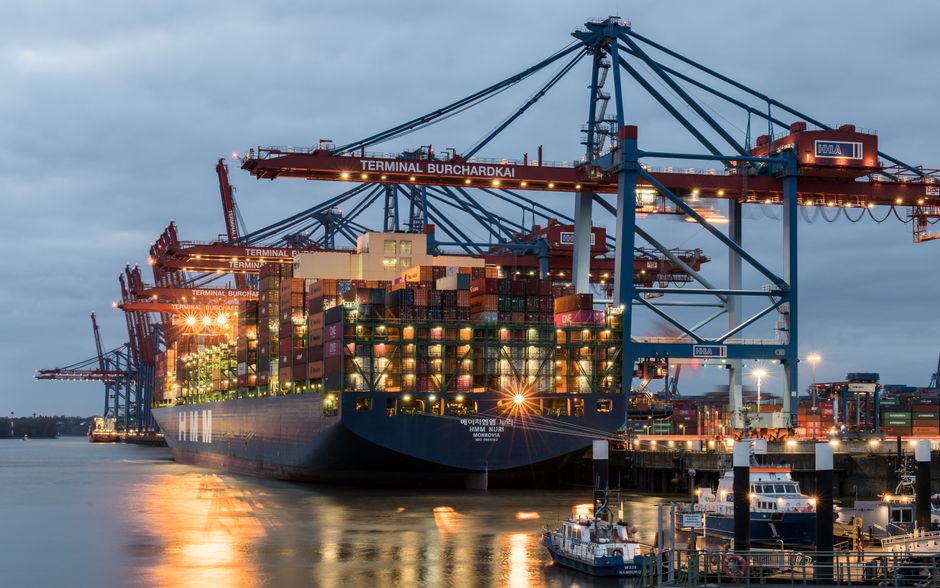
Cargo Insurance for Kenya Imports: Why You Need It and How It Works
Freight forwarders are not insurers. Their liability for lost, damaged, or stolen cargo is limited by international convention to a few dollars per kilogram. For most commercial shipments, that coverage is a fraction of the value of the goods.
This guide explains why cargo insurance matters for Kenyan importers, what it covers, what it does not cover, how much it costs, and how to arrange it through Heights Cargo or independently.
---
Why Freight Forwarder Liability Is Not Enough
Under the Hague-Visby Rules (sea) and the Montreal Convention (air), a freight forwarder's liability is limited to:
| Mode | Liability Limit |
|---|---|
| Sea freight | 666 SDR per package or 2 SDR per kg (whichever is higher) |
| Air freight | 22 SDR per kg (approximately USD 29/kg) |
What this means in practice:
- A 20 kg shipment of electronics worth USD 5,000: liability = USD 580. Shortfall = USD 4,420.
- A 200 kg sea shipment worth USD 20,000: liability = USD 4,000 (2 SDR × 200 kg). Shortfall = USD 16,000.
- A 40ft container worth USD 100,000: liability = 666 SDR × number of packages (e.g., if 1,000 packages, liability = USD 8,490). Shortfall = USD 91,510.
For high-value goods, all-risks cargo insurance is not optional — it is essential.
---
Types of Cargo Insurance
All-Risks Marine Cargo Insurance
Covers loss or damage from:
- Total loss (sinking, aircraft crash)
- Partial loss (water damage, crushing, theft from warehouse)
- Theft or non-delivery
- Damage from handling (rough loading/unloading)
- Weather-related damage (sea water, heavy rain, extreme temperatures)
Exclusions:
- Wear and tear, inherent vice, or gradual deterioration
- Insufficient packing by the shipper
- Delay, loss of market, or loss of use
- Nuclear risks
- Wilful misconduct by the insured
Specific Perils Insurance
Covers named perils only (e.g., fire, theft, collision). Cheaper but narrower coverage. Generally not recommended for high-value or complex shipments.
Warehouse-to-Warehouse Coverage
All-risks policies typically cover from the moment goods leave the supplier warehouse to the moment they arrive at your warehouse in Kenya. This includes:
- Origin warehouse storage
- Transit (sea or air)
- Destination port storage
- Final delivery to your door
---
How Much Does Cargo Insurance Cost?
Cargo insurance premiums are typically:
| Cargo Type | Premium Rate |
|---|---|
| General goods (sea) | 0.3–1.0% of insured value |
| General goods (air) | 0.5–1.5% of insured value |
| Electronics | 0.5–1.0% |
| High-value goods (jewellery, pharmaceuticals) | 1.0–3.0% |
| Dangerous goods | Higher (varies by class) |
Minimum premium: Typically USD 50 or equivalent.
Example Calculation
| Item | Value |
|---|---|
| Cargo value | USD 10,000 |
| Insurance rate (sea, general goods) | 0.5% |
| Premium | USD 50 |
For air at 1.0%: USD 100 premium.
Most insurers require the goods to be insured for at least 110% of the invoice value (to cover freight and profit margin).
---
What Affects Your Cargo Insurance Premium
| Factor | Impact |
|---|---|
| Cargo type | High-value or fragile = higher premium |
| Mode | Air = higher premium (faster, higher risk of total loss) |
| Route | Routes with higher piracy or theft risk = higher premium |
| Packing quality | Good packing = lower premium |
| Incoterm | FOB/CIF affects who arranges insurance |
| Deductible | Higher deductible = lower premium |
---
Incoterms and Insurance Obligations
Under standard Incoterms, insurance obligations vary:
| Incoterm | Insurance Obligation |
|---|---|
| EXW | Buyer arranges insurance from supplier's door |
| FCA | Buyer arranges insurance from supplier's premises |
| FOB | Buyer arranges insurance once goods are loaded |
| CIF | Seller must arrange insurance (minimum cover) |
| CIP | Seller must arrange insurance (higher minimum cover) |
| DAP | Buyer arranges insurance from origin |
| DDP | Seller arranges insurance (full journey) |
For Kenyan importers, most China shipments are EXW or FOB at origin, and most UK shipments are EXW or FCA. This means you (the importer) should arrange insurance from the point of collection.
Heights Cargo can arrange all-risks insurance on your behalf. We add the premium to your invoice, so everything is in one place.
---
How to Make a Cargo Insurance Claim
- Notify the insurer immediately — most policies require notification within 30 days
- Document the damage or loss — photos, surveyor report, police report (for theft)
- Preserve evidence — do not throw away damaged packaging or goods
- File the claim — provide commercial invoice, packing list, bill of lading, survey report
- Cooperate with the surveyor — allow inspection if requested
Claims typically take 30–90 days to settle, depending on complexity.
---
Cargo Insurance Through Heights Cargo
When you ship with Heights Cargo:
- We offer all-risks marine and air cargo insurance
- Premiums added to your invoice for convenience
- Coverage from supplier door to your door in Kenya
- We guide you on the claim process if something goes wrong
- You still need to declare the correct value to avoid claim disputes
To arrange insurance: Simply tell us when you book your shipment. We will quote the premium, confirm the coverage, and add it to your quote.
---
Is Cargo Insurance Worth It?
| Scenario | Without Insurance | With Insurance (0.5% premium) |
|---|---|---|
| USD 10,000 shipment total loss | USD 10,000 loss | USD 50 premium, USD 9,950 claim |
| USD 5,000 partial damage (50%) | USD 2,500 repair/replacement | USD 25 premium, USD 2,475 claim |
| USD 1,000 minor damage | USD 1,000 loss | USD 5 premium, USD 995 claim |
For any shipment above a few hundred dollars, the math is simple: insurance costs a fraction of a percent of your cargo value, but protects you against total loss.
Arrange insurance with your next shipment: +254 769 955 505 or inquiry@heightscargo.com.