
Dangerous Goods Shipping to Kenya: UN Codes, Packaging & Documentation
31 August 2026 · By Heights Cargo · Shipping Guides
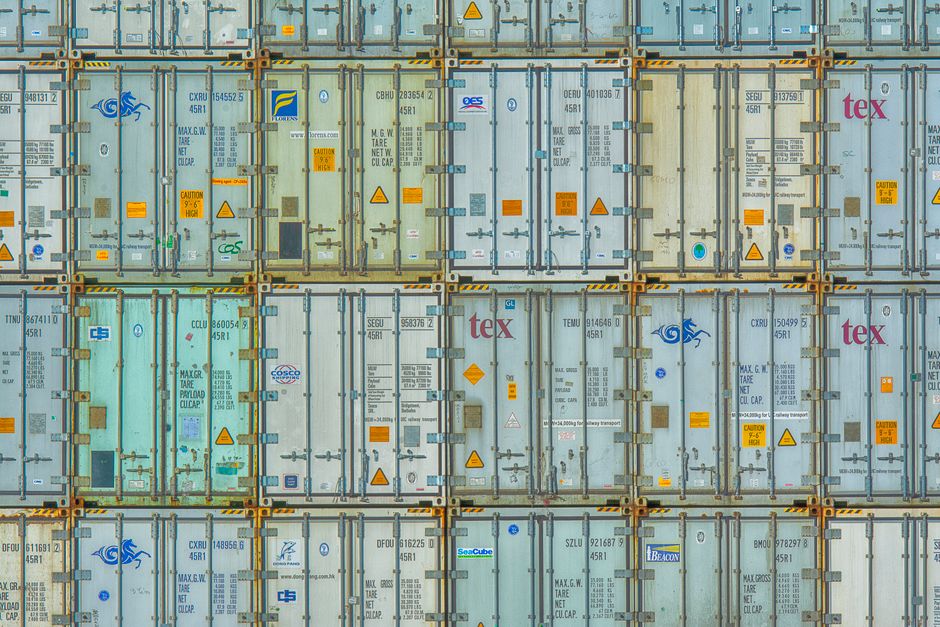
Shipping Dangerous Goods from China and UK to Kenya
Some cargo is more than just boxes and pallets. Batteries, chemicals, aerosols, lithium-ion devices, flammable liquids, and compressed gas cylinders are classified as dangerous goods (also called hazardous cargo). Shipping them requires special handling, documentation, and compliance with international regulations.
This guide explains what counts as dangerous goods, the classification system, how to prepare your shipment, which airlines and shipping lines accept it, and how Heights Cargo handles dangerous cargo from the UK and China to Kenya.
---
What Counts as Dangerous Goods?
| Category | Examples |
|---|---|
| Class 1: Explosives | Fireworks, ammunition, blasting caps |
| Class 2: Gases | Aerosols, propane, oxygen cylinders |
| Class 3: Flammable liquids | Paints, solvents, perfumes (>24% alcohol) |
| Class 4: Flammable solids | matches, sulphur, sodium batteries |
| Class 5: Oxidisers | Bleaching powder, hydrogen peroxide |
| Class 6: Toxic substances | Pesticides, disinfectants, arsenic |
| Class 7: Radioactive | Medical isotopes, smoke detectors (some) |
| Class 8: Corrosives | Acids, batteries (lead-acid) |
| Class 9: Miscellaneous | Lithium-ion batteries, dry ice, magnets |
The most common dangerous goods we handle for Kenyan importers are:
- Lithium-ion batteries (Class 9) — phones, laptops, power banks, e-bikes
- Aerosol sprays (Class 2) — deodorants, paints, cleaning products
- Cosmetics with flammable solvents (Class 3) — perfumes with >24% alcohol
- Lead-acid batteries (Class 8) — car batteries, solar batteries
---
International Regulations for Dangerous Goods
Air and sea shipments follow different regulatory frameworks:
| Mode | Regulations |
|---|---|
| Air | ICAO Technical Instructions + IATA DGR |
| Sea | IMO IMDG Code |
| Road | ADR (European Agreement) |
For shipments to Kenya, the most relevant regulations are:
- IATA DGR (Dangerous Goods Regulations) — for air cargo from UK/China to Nairobi
- IMDG Code — for sea cargo to Mombasa
- KRA requirements — PVoC, MSDS, and any specific Kenyan import rules
---
How to Prepare Dangerous Goods for Shipping
Step 1: Classify Your Goods
Identify the UN number, proper shipping name, class, and packing group. Your supplier's MSDS (Material Safety Data Sheet) should provide this information.
Step 2: Package Correctly
Dangerous goods must be packed in:
- UN-certified packaging (for most classes)
- Inner and outer packaging where required
- Absorbent material for liquids
- Clear labelling with hazard labels, UN number, and handling instructions
Step 3: Complete Dangerous Goods Documentation
| Document | Purpose |
|---|---|
| DGD (Dangerous Goods Declaration) | Required for air and sea |
| MSDS | Chemical composition and hazards |
| UN certification | Proof of packaging compliance |
| Shipper's declaration | Signed by shipper, certifying accuracy |
Step 4: Notify the Carrier
Airlines and shipping lines must be notified in advance. Some dangerous goods are prohibited on certain routes or aircraft. We check this at the time of booking.
---
Special Rules for Lithium-Ion Batteries
Lithium-ion batteries are the most common dangerous goods in e-commerce and electronics shipments. Rules differ based on how they are packed:
| Battery Type | Packing | Air Allowance |
|---|---|---|
| Contained in equipment (e.g., phone in box) | Packed with equipment | Generally permitted, Section II |
| Spare batteries (loose) | Inner packaging, outer packaging, PI 965 | Section I, stricter limits |
| Battery-powered vehicles (e-bikes, scooters) | Special handling required | May be restricted |
Critical rules for lithium batteries:
- Spare batteries must be protected against short circuit (tape terminals, individual bags)
- Battery-powered devices must be switched off and protected from accidental activation
- Cargo aircraft has different limits from passenger aircraft
- Some airlines prohibit large lithium battery shipments on passenger flights
Heights Cargo coordinates with airlines that accept lithium batteries on cargo services and ensures proper Section II or Section I declarations.
---
Dangerous Goods by Air vs Sea to Kenya
| Factor | Air (to JKIA) | Sea (to Mombasa) |
|---|---|---|
| Transit time | 7–12 days | 30–45 days |
| Documentation | DGD + IATA format | DGD + IMDG format |
| Packing requirements | UN-certified, strict | UN-certified, slightly less strict |
| Carrier acceptance | More restricted | More accepting |
| Cost | Higher | Lower |
| Best for | Small, high-value, time-sensitive | Large, bulky, less urgent |
For most dangerous goods from the UK and China, sea freight is the more economical option. Air is for urgent, small-volume, high-value items where the cost of delay exceeds the higher freight rate.
---
Common Mistakes Shipping Dangerous Goods
| Mistake | Consequence |
|---|---|
| No DGD or incomplete DGD | Cargo refused at origin |
| Wrong UN number or class | Delay, fines, cargo held at airport/seaport |
| Non-UN-certified packaging | Rejected at origin warehouse |
| Missing MSDS | Delay at KRA clearance |
| Battery not protected from short circuit | Rejected by airline |
| Air shipment of prohibited goods | Cargo held, possible destruction |
---
How Heights Cargo Handles Dangerous Goods
- Pre-check: We review your supplier's MSDS and product classification before booking
- Documentation: We prepare or guide you on DGD, UN certification, and MSDS
- Packing guidance: We advise on correct packaging at our UK and China warehouses
- Carrier selection: We book airlines and shipping lines that accept your specific dangerous goods class
- PVoC coordination: Where PVoC is required for regulated dangerous goods
- Clearance: We handle KRA clearance with all required documentation
Our dangerous goods handling covers:
- China Air dangerous class (USD 15/kg, 7–10 days, Saturday departure)
- UK Air dangerous class (on request)
- China Sea dangerous goods (IMDG compliant)
- UK Sea dangerous goods (IMDG compliant)
Get a quote: Send your MSDS and product details on WhatsApp (+254 769 955 505) or email inquiry@heightscargo.com. We will confirm carrier availability, packaging requirements, and pricing before you book.