
Mombasa Port Clearance: Step by Step Guide for Importers
7 August 2026 · By Heights Cargo · Customs & Clearance
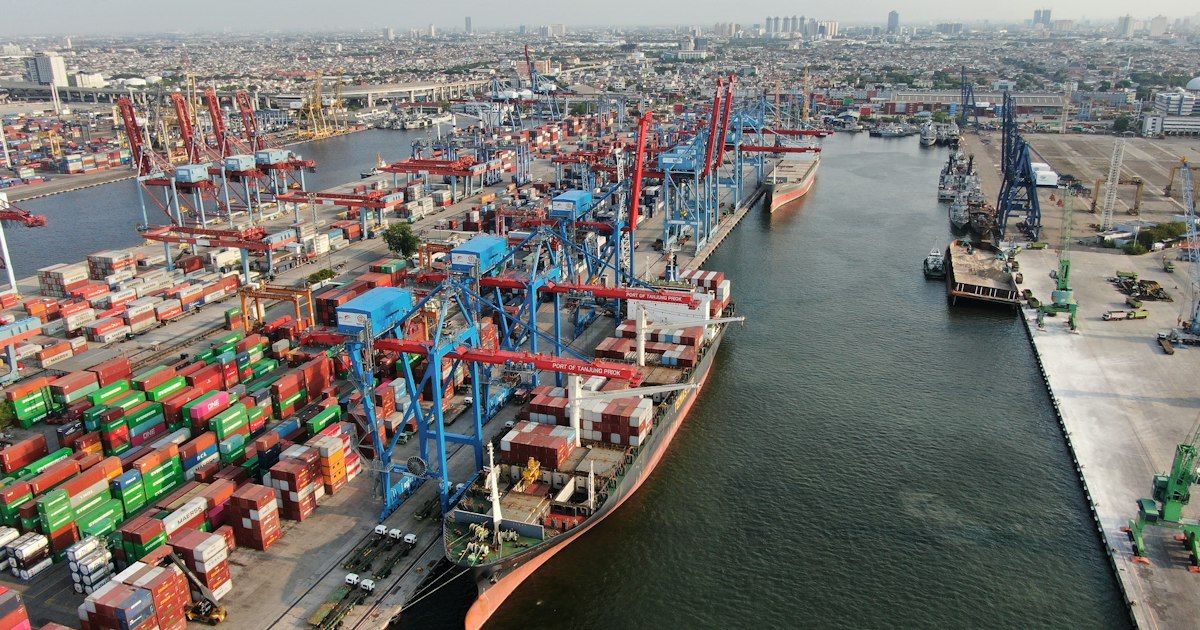
Mombasa Port Clearance: Every Step From Vessel Arrival to Delivery
Your container has arrived at the Port of Mombasa. What happens next? For many importers, the period between vessel arrival and cargo delivery is the least understood part of the import journey. This guide walks you through every step of Mombasa port clearance, the documents you need at each stage, the charges you will see, and the specific mistakes that add days and thousands of shillings to your landed cost.
Step 1: Vessel Arrival and Manifest Receipt
When the vessel berths at Mombasa port, the shipping line sends the manifest to KRA and to your clearing agent. The manifest lists every consignment on board: shipper, consignee, cargo description, weight, volume, and container number.
Your clearing agent uses the manifest to prepare the customs entry. If the manifest details do not match your commercial invoice or packing list, KRA will query the entry and the clearance clock stops. This is the most common point of failure in the clearance process, and it is entirely preventable.
What to verify when the manifest arrives
- Shipper name matches the commercial invoice exactly
- Consignee name and KRA PIN match your registration
- Cargo description matches the invoice line items
- Weight and volume are within expected ranges
- Container number is correct and accessible at the assigned berth or yard
Step 2: Customs Entry Lodgement
The clearing agent lodges the customs entry with KRA through the Integrated Customs Management System (iCMS). The entry includes:
- Commercial invoice details and HS codes for every line item
- Packing list weights and dimensions
- Bill of lading number and container number
- Consignee KRA PIN and business registration details
- Import Declaration Form (IDF) number
- Country of origin and value declaration
Complete and accurate entries are processed faster. Entries with missing or mismatched information are flagged for manual review, which adds days. During busy periods at Mombasa, manually reviewed entries can take twice as long to clear as automated entries.
The iCMS submission process
- Clearing agent logs into the KRA iCMS portal
- Selects the appropriate entry type: sea, air, or road
- Enters consignee and importer details
- Uploads supporting documents: commercial invoice, packing list, bill of lading, IDF
- Submits the entry for assessment
- Receives an acknowledgement number for tracking
If the entry is complete, KRA typically assesses it within 24 to 48 hours. Incomplete entries are returned with queries that must be resolved before assessment can proceed.
Step 3: Assessment and Duty Payment
KRA assesses the entry and issues a demand notice showing duty, VAT, IDF, RDL, and any other charges. The duty is calculated on the declared value and the HS code.
Payment must be made before release. With funds ready, payment goes out the same day and the release process begins. Delayed payment is one of the most common causes of avoidable clearance delays.
Duty calculation example
A shipment of home appliances valued at KES 800,000:
- Customs duty (assume 10%): KES 80,000
- VAT (16% on duty-paid value of KES 880,000): KES 140,800
- IDF fee (3.5% on KES 800,000): KES 28,000
- RDL (1.5% on KES 800,000): KES 12,000
- Total mandatory charges: KES 260,800
This is why accurate declared values matter. Under-declaring to save duty triggers KRA revaluation, which adds penalties and delays the shipment while the dispute is resolved.
Step 4: Release and Cargo Retrieval
Once payment is confirmed, KRA releases the cargo. For containerised cargo, the container is moved from the berth or yard to the ICD or to the consignee's nominated transporter. For LCL cargo, the container is taken to the de-consolidation centre where individual shipments are separated.
The release process typically takes 1 to 2 business days after payment confirmation, assuming the entry was pre-lodged and assessed without queries.
Step 5: ICD Transfer and De-consolidation
For LCL shipments and some FCL shipments, cargo moves to the Inland Container Depot (ICD) for de-consolidation. The ICD transfer covers the physical movement of the container from the port to the ICD facility.
Under the revised 2026 consolidated cargo framework, the ICD-to-Bomaline charge has been reduced to KES 10,000 per container. This reduction directly benefits importers using consolidated cargo services.
At the ICD, your cargo is separated from other importers' shipments, verified against the entry, and made available for collection or final delivery.
Step 6: Final Delivery
From the ICD or the port, cargo is delivered to your door in Nairobi, Mombasa, Kisumu, Eldoret, or elsewhere in Kenya. The final delivery leg includes:
- Loading and transport from the ICD or port
- Inland transit, typically 1 to 2 days from Mombasa to Nairobi
- Offloading at your warehouse, shop, or residence
- Verification of cargo condition and quantity against the packing list
Common Mombasa Port Clearance Delays
- Document mismatches: HS code, weight, or description does not match between invoice and entry. This triggers a KRA query that must be resolved before release.
- Missing PVoC: regulated goods held at the yard without the required certificate. Certify before export.
- Late IDF: declaration lodged after arrival attracts penalties and delays the entry.
- PIN errors: KRA PIN does not match the importer of record. One typo, three days.
- Demurrage: storage charges accrue after free days expire. For a 5 CBM LCL shipment stuck for 10 days, demurrage can reach KES 25,000 to KES 50,000.
Port Congestion and Seasonal Patterns
Mombasa port experiences higher congestion during certain periods:
- December to January: holiday season imports create higher manifest volumes
- March to April: agricultural import season before the long rains
- August to September: back-to-school and festive season pre-orders
During these periods, KRA processing times can increase by 2 to 5 business days for standard entries. Pre-lodging entries and having complete documents ready reduces the impact of congestion on your clearance timeline.
How to Clear Mombasa Port Faster
The single most effective step is to send complete documents to your clearing agent before the vessel sails. Pre-alert review catches document errors while the cargo is still at sea, when fixing them is free and fast.
Heights Cargo pre-lodges entries for consignments with complete documents, which is how we achieve 48 to 72 hour releases for clean entries.
Send your supplier documents and packing list on WhatsApp for a pre-alert review before your next shipment.